Power Automate: methods and functional background
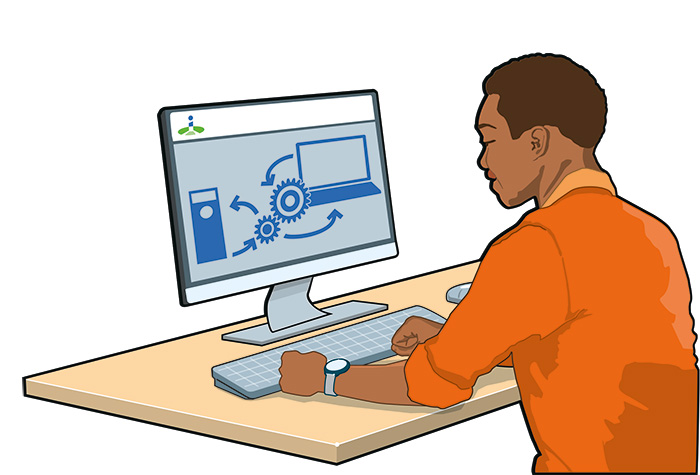
Microsoft Power Automate is Microsoft's integration and automation platform. Until 2019 the service was called Microsoft Flow; you still run into that old name occasionally, but it is exactly the same product. With Power Automate you build automated workflows (“flows”) between hundreds of applications without programming. This article covers the functional background: how Power Automate works and how i-Reserve fits in.
Building blocks: triggers, actions and connectors
A flow is made up of building blocks. The most important are:
- Trigger — the event that starts a flow (for example “a new reservation was created”).
- Action — something the flow then does (for example “add a row in Excel” or “send an email”).
- Connector — the link to a specific application. A connector provides the available triggers and actions for that application.
For more background on triggers, actions and field mapping, read What is an integration platform.
How i-Reserve fits into Power Automate
There is no ready-made (“certified”) i-Reserve connector in the Power Automate gallery. Instead you create your own custom connector. That is easier than it sounds: i-Reserve automatically generates an OpenAPI definition (a swagger.json file) for your environment. You import that definition into Power Automate and all i-Reserve triggers and actions become available immediately.
Important: the OpenAPI definition is environment-specific. Custom reservation and customer fields from your configuration are included in the definition, so you can use them in your flows.
Authentication: OAuth 2.0 with a connection user
The custom connector talks to i-Reserve over the REST API with OAuth 2.0 (grant type authorization code). Two things are needed for that:
- An OAuth client (client ID + secret) in i-Reserve — see Setting OAuth Clients.
- A connection user: the i-Reserve user account used to establish the connection. That account's rights determine what the flow is allowed to do in i-Reserve.
Power Automate or Zapier?
Both platforms do essentially the same thing and both connect to i-Reserve. Roughly:
- Power Automate if your organisation already runs on Microsoft 365 and wants workflows within the Microsoft ecosystem (Outlook, Teams, SharePoint, Excel).
- Zapier if you want to connect quickly, without a Microsoft environment, to a very broad set of (often non-Microsoft) apps. See Zapier.
Points of attention
- You maintain the custom connector yourself: after major changes to your i-Reserve configuration you may need to import a fresh
swagger.json. - The client secret is sensitive; store it securely and do not share it.
- The connection user's rights determine both the possibilities and the risks of your flows — do not grant more rights than necessary.